How to Build an Effective Emergency Response Plan for Fleet Breakdowns
A single truck breakdown can create a ripple effect across your entire operation. Missed delivery windows, unexpected repair costs, and dissatisfied customers are just a few of the consequences that can follow a roadside issue.
While no fleet can completely eliminate mechanical failures, the right preparation can significantly reduce their impact. From preventive maintenance to rapid-response repair services, having a well-structured emergency plan helps keep your business running when unexpected situations arise.
Here’s how to create a strategy that minimizes downtime and keeps your fleet moving.
1. Prioritize Preventive Maintenance
The best way to handle a breakdown is to reduce the chances of it happening in the first place.
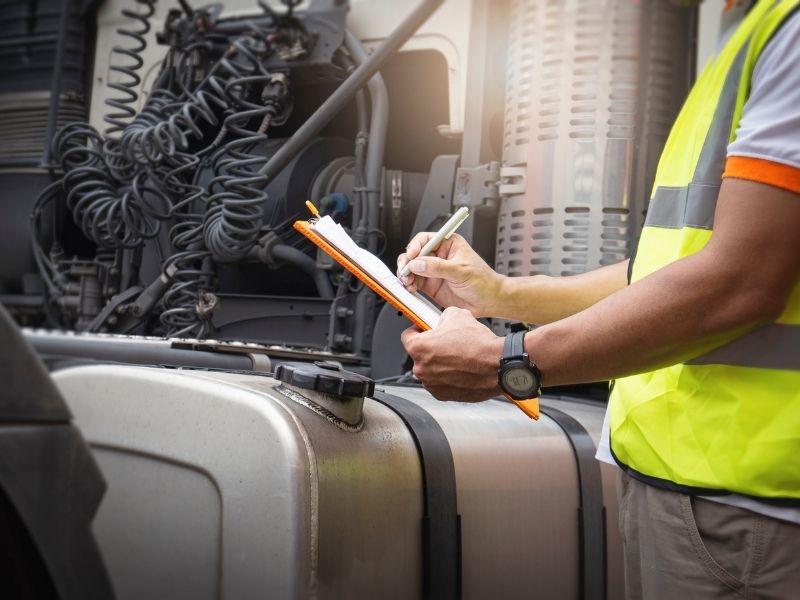
Routine inspections and scheduled maintenance help identify potential issues before they turn into costly roadside emergencies. Components such as brakes, tires, batteries, fluids, and engine systems should be checked regularly to ensure optimal performance.
Creating a standardized maintenance checklist for drivers and technicians can help maintain consistency and catch problems early.
2. Equip Every Vehicle for Emergencies
Even with excellent maintenance practices, unexpected situations can still occur. That’s why every truck should be prepared with essential emergency equipment.
A complete roadside emergency kit may include:
-
Basic hand tools
-
Spare fuses and replacement bulbs
-
Reflective warning triangles
-
Road flares or safety markers
-
First-aid supplies
-
Flashlight and extra batteries
-
Fire extinguisher
-
Jumper cables
-
Portable tire inflator
Depending on the season and operating region, additional items such as extra drinking water, snow chains, or cold-weather gear may also be beneficial.
Being prepared allows drivers to respond quickly and safely while waiting for professional assistance.
3. Invest in Driver Training
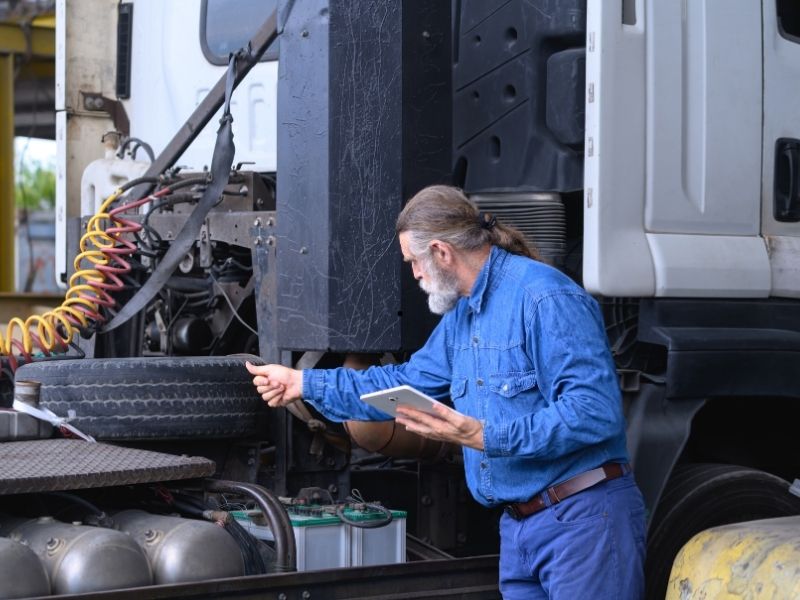
Emergency preparedness goes beyond having the right equipment. Drivers should understand how to react when mechanical issues occur and how to recognize warning signs before they escalate.
Training programs should cover:
-
Identifying unusual vehicle behavior
-
Responding to dashboard alerts
-
Conducting basic safety inspections
-
Following roadside safety procedures
-
Communicating effectively during emergencies
Well-trained drivers are often able to detect problems earlier, helping prevent minor issues from becoming major disruptions.
4. Partner with a Dependable Mobile Repair Service
When a truck is out of service, every minute matters.
Having access to a trusted mobile repair provider ensures faster response times and reduces the need for costly towing services. A reliable partner should offer:
-
24/7 emergency availability
-
Mobile diagnostic capabilities
-
Expertise in diesel and heavy-duty truck repair
-
Wide service coverage
Mobile repair solutions allow technicians to address many issues directly on-site, helping vehicles return to service as quickly as possible.
5. Leverage Technology for Faster Response
Modern fleet technology provides valuable tools for managing unexpected breakdowns.
GPS tracking systems help identify vehicle locations instantly, making it easier to dispatch assistance efficiently. Meanwhile, fleet management software can monitor vehicle performance and alert managers to potential issues before they result in mechanical failure.
Features such as predictive maintenance tracking, tire pressure monitoring, and engine diagnostics can help reduce downtime and improve operational reliability.
6. Establish Clear Emergency Communication Procedures
An effective emergency response plan relies on clear communication.
Drivers should know exactly what steps to follow when a breakdown occurs, including who to contact and what information needs to be reported.
A simple communication protocol might include:
-
Contacting dispatch or fleet management
-
Reporting the vehicle location
-
Describing the issue
-
Following safety procedures while awaiting assistance
Keeping emergency contact information readily available inside every truck ensures drivers can act quickly when needed.
7. Build Flexibility into Delivery Schedules
Unexpected delays are part of fleet operations. Incorporating realistic buffer time into schedules can help absorb disruptions without affecting customer commitments.
This approach is particularly important during long-distance routes, severe weather conditions, or periods of heavy traffic.
Planning ahead allows operations to remain efficient even when unforeseen circumstances arise.
The Value of an Emergency Response Strategy
A well-designed emergency plan does more than address breakdowns. It helps protect revenue, maintain customer satisfaction, and improve overall fleet performance.
Organizations that prepare for unexpected situations are better positioned to minimize downtime, control repair costs, and maintain reliable service levels.
Why Fleets Trust Shersuca
At Shersuca, we understand that every minute a truck spends off the road impacts your business.
That’s why our mobile repair specialists are available around the clock, providing fast, on-site support when and where it’s needed most. Equipped with advanced diagnostic tools and extensive experience in heavy-duty truck repair, our team is ready to help get your fleet back in operation quickly and efficiently.
No matter where a breakdown occurs, Shersuca is prepared to respond.
Make us part of your fleet contingency plan and gain the confidence that comes from having dependable support when it matters most.