Essential Long-Haul Trucking Tips to Reduce Downtime and Stay Road-Ready
Long-haul trucking plays a critical role in keeping goods moving across the country. Whether transporting freight across neighboring states or coast-to-coast, drivers and fleet managers face countless variables that can impact schedules and vehicle performance.
The key to a successful trip isn’t simply reaching the destination—it’s being prepared for the unexpected. With the right planning, maintenance practices, and support systems in place, fleets can reduce disruptions and keep deliveries on track.
Here are several practical strategies to help ensure safer, more efficient long-distance operations.
1. Start Every Trip with a Comprehensive Vehicle Inspection
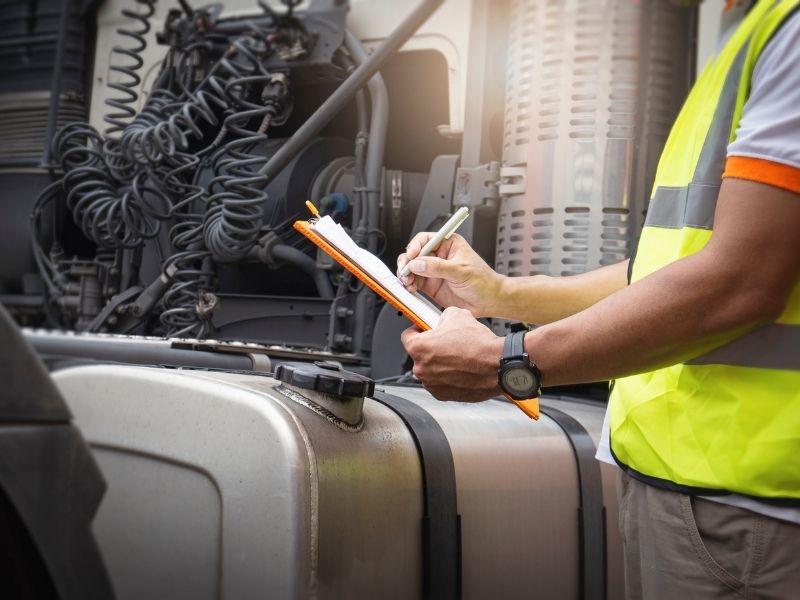
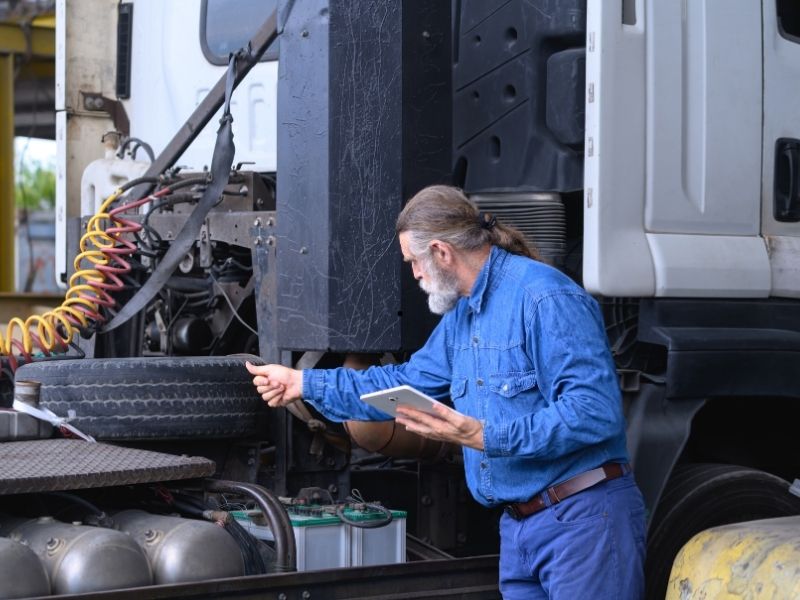
A thorough pre-trip inspection is one of the most effective ways to prevent avoidable breakdowns.
Before heading out, drivers should verify the condition of critical components, including:
-
Tires and tire tread
-
Brake systems
-
Lights and signals
-
Engine fluids
-
Battery condition
-
Trailer connections
-
Cargo securement
Properly balanced and secured freight is equally important, as uneven loads can affect stability, fuel efficiency, and overall vehicle handling.
A few extra minutes spent inspecting equipment can help prevent costly delays down the road.
2. Prepare for Unexpected Situations
Even the most reliable trucks can encounter unforeseen issues during long-distance travel. Having essential emergency equipment on board can help drivers stay safe and better manage roadside situations until professional assistance arrives.
Recommended items include:
-
Extra engine oil and coolant
-
Portable air compressor
-
Flashlight with spare batteries
-
Reflective safety triangles
-
First-aid kit
-
Jumper cables
-
Power bank or backup charging device
-
Basic hand tools
While these supplies may not solve every mechanical problem, they can provide valuable support when challenges arise.
3. Monitor Tire Condition and Air Pressure
Tires endure significant stress during extended trips, making them one of the most common sources of roadside incidents.
Regular pressure checks help improve fuel efficiency, extend tire life, and reduce the risk of blowouts. Drivers should inspect tires before departure and during scheduled stops throughout the route.
For added protection, many fleets are implementing Tire Pressure Monitoring Systems (TPMS), which provide real-time alerts when pressure levels fall outside recommended ranges.
4. Follow a Consistent Preventive Maintenance Program
Preventive maintenance remains one of the most effective investments a fleet can make.
Routine servicing helps identify developing issues before they result in expensive repairs or operational interruptions. Components that should receive regular attention include:
-
Brakes
-
Steering systems
-
Suspension components
-
Electrical systems
-
Trailer connections
-
Lighting equipment
Addressing wear and tear early can significantly reduce unexpected downtime and improve overall fleet reliability.
5. Plan Routes Strategically
Route planning involves more than choosing the fastest path.
Before departure, identify repair facilities, service centers, fuel stops, and emergency support providers along the route. Knowing where assistance is available can save valuable time if mechanical issues occur far from your primary service area.
Working with roadside assistance providers that offer nationwide coverage adds an extra layer of confidence during long-distance operations.
6. Recognize When Professional Assistance Is Needed
Basic troubleshooting can sometimes resolve minor issues, but attempting complex repairs without proper training may create additional problems.
Drivers should understand the difference between manageable situations and those that require professional intervention. When safety or major mechanical systems are involved, contacting qualified technicians is always the safest choice.
Prompt action often prevents a small problem from becoming a larger and more expensive repair.
7. Maintain Reliable Communication Throughout the Journey
Consistent communication helps keep drivers, dispatchers, and fleet managers aligned throughout the trip.
GPS tracking systems, fleet management platforms, and mobile communication tools provide real-time visibility into vehicle locations and operating conditions. This information allows teams to respond quickly to delays, route changes, or unexpected mechanical concerns.
Reliable communication also improves emergency response times when assistance is needed.
The Importance of Being Prepared
Long-distance trucking presents unique challenges, but proper preparation can significantly reduce risks and improve operational efficiency.
Combining preventive maintenance, strategic route planning, emergency readiness, and professional support services creates a strong foundation for successful fleet operations. The more prepared your team is before departure, the easier it becomes to manage unexpected situations on the road.
Dependable Roadside Support from Shersuca
No matter how well a fleet is maintained, unexpected issues can still occur. When they do, having access to experienced roadside support can make all the difference.
At Shersuca, our mobile repair specialists are available 24 hours a day, 7 days a week, providing rapid assistance for trucks and trailers wherever help is needed. From diagnostics and emergency repairs to on-site service solutions, our goal is to minimize downtime and get vehicles back on the road as quickly as possible.
Wherever the road takes you, Shersuca is ready to help keep your fleet moving forward.
For more tips and info, follow us on Facebook and Instagram. Call us for truck and trailer mobile repair on shersucatruckrepair.com