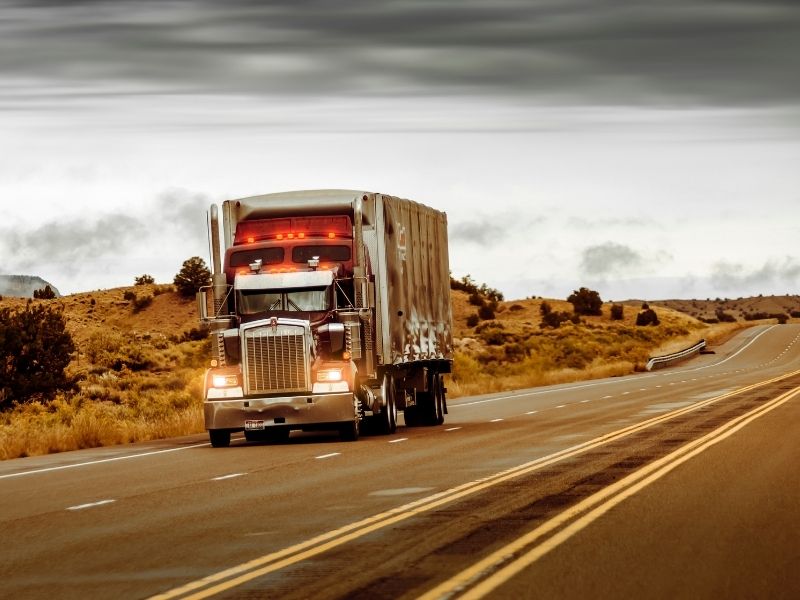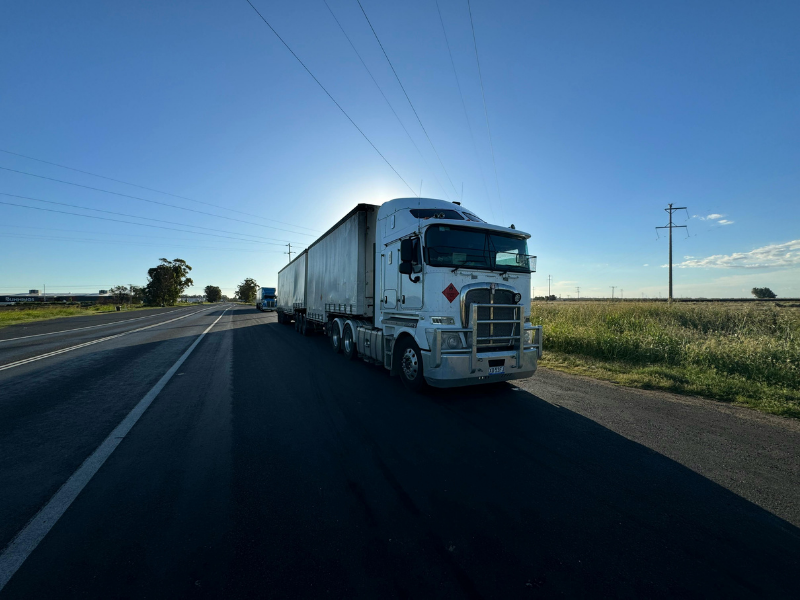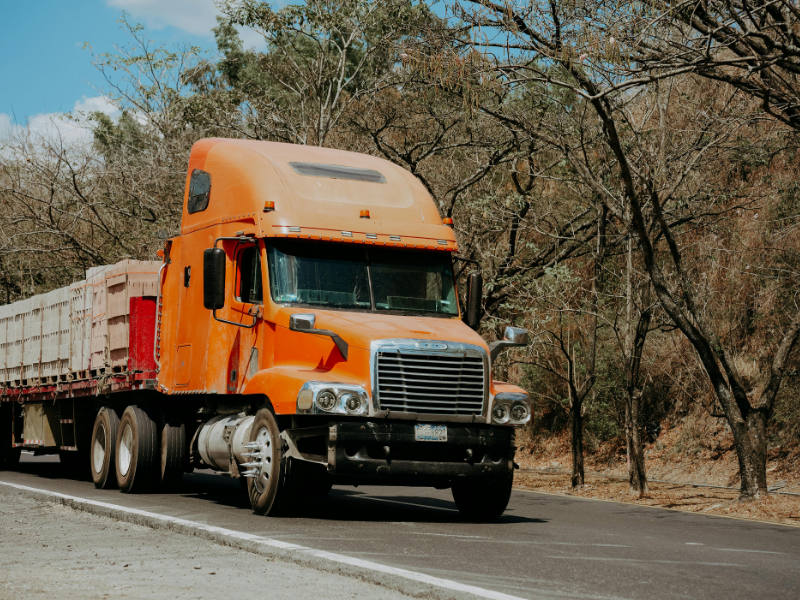
A sudden drop in oil pressure, a loud pop under the hood, or an engine that completely dies in highway traffic puts you in an instant high-stress situation. Knowing what to do when your truck breaks down right in those first few minutes can keep you safe, prevent further mechanical damage, and protect your load. When an 80,000-pound commercial vehicle stops moving, your main priority shifts from making your delivery window to managing a roadside emergency without putting yourself or other drivers at risk.
The decisions you make right after pulling over set the tone for the rest of your day. Here is a clear, practical guide on how to handle a commercial vehicle breakdown safely and efficiently.
Get your rig off the active highway
Your absolute first priority is moving your vehicle out of active traffic lanes. A stalled semi-truck sitting in a live lane on a busy highway like I-4, I-95, or the Florida Turnpike is an immediate crash risk for everyone on the road.
Keep momentum to reach a safe pull-off
The moment you feel power drop or see a red stop-engine light on the dashboard, turn on your hazard lights immediately to alert drivers behind you. Avoid slamming on the brakes unless crash impact is imminent. Instead, use your remaining rolling momentum to coast toward the right shoulder, an exit ramp, or a wide emergency turnout. If you can make it down an exit ramp into a truck stop or parking lot, do it—even if it wears out a flat tire a bit more to get completely off the highway.
Set up your emergency warning triangles
Once you stop completely, set your parking brakes and leave your hazard lights flashing. Before stepping out of the cab, put on a high-visibility safety vest and check your side mirrors carefully for oncoming traffic. Walk at least 10 feet behind your trailer and set up your reflective warning triangles according to Federal Motor Carrier Safety Administration (FMCSA) rules:
- Place the first triangle 10 feet behind the truck on the traffic side.
- Place the second triangle 100 feet behind the truck in the center of the shoulder.
- Place the third triangle 200 feet behind the truck toward oncoming traffic to give speeding drivers plenty of advance warning.
Need fast roadside assistance? Call Shersuca. We’re open 24/7 and come to you in Florida.
Assess the damage before calling for help
Before calling dispatch, your fleet manager, or a repair company, take five minutes to figure out what actually happened. Service dispatchers need accurate details so they can send the right equipment and parts on the first attempt.
Look for fault codes and visible fluid leaks
Step out safely and perform a quick visual inspection around your vehicle:
- Look under the engine bay and frame rails for dripping coolant, raw diesel fuel, or oil pooling on the ground.
- Read active fault codes on your dashboard display and note down low air pressure warnings or high engine temperatures.
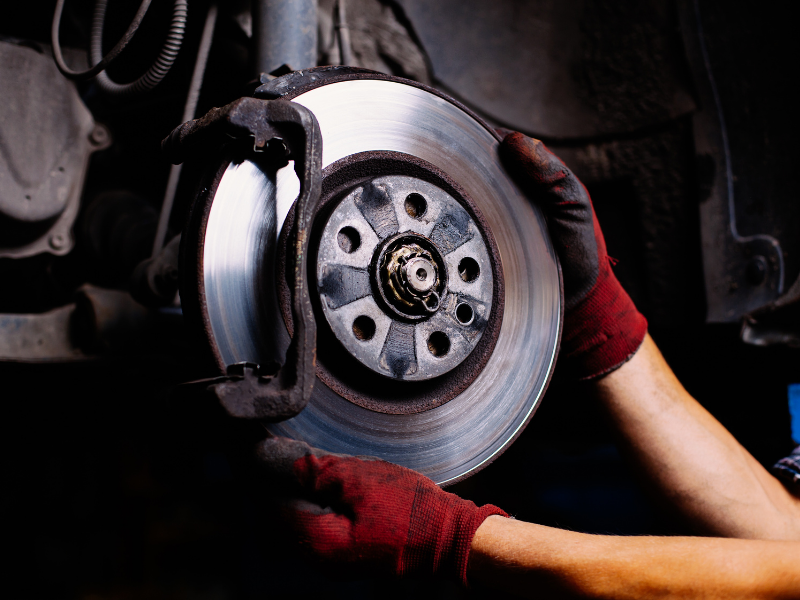
- Inspect your wheel ends and brakes for smoke, burning smells, or leaking hub oil.
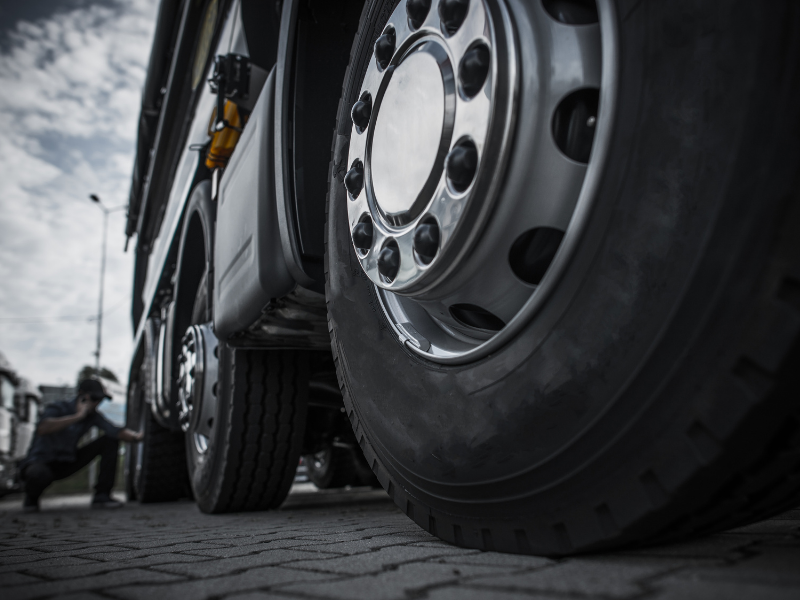
- Check all trailer tires for blowouts, tread separation, or damaged rims.
Find your exact highway mile marker
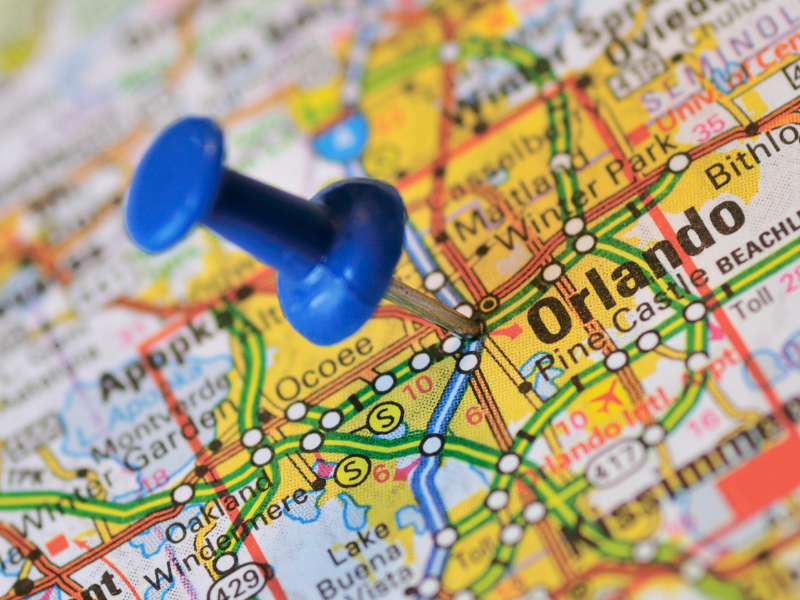
Never call a service team with a vague location like “somewhere near Orlando.” Look for the nearest highway mile marker post, exit sign, or bridge overpass. You can also drop a precise GPS pin using your smartphone map app. Giving a mobile repair crew your exact location cuts out up to an hour of driving back and forth searching for your truck.
Stranded on a Central Florida highway shoulder? Don’t sit in a dangerous spot guessing what went wrong. Call Shersuca for fast 24/7 mobile diesel dispatch straight to your exact coordinates.
Choose between mobile repair and a tow truck
A common and costly mistake drivers make during a breakdown is automatically calling a heavy tow truck for an issue that could easily be fixed right where the truck is parked.
When a mobile diesel mechanic can fix it on the shoulder
Roughly 80 percent of highway breakdowns stem from issues that can be resolved on site. If you are dealing with a blown radiator hose, a flat drive tire, locked air brake chambers, dead starter batteries, or a clogged fuel filter, a mobile technician can get you rolling again. Calling for roadside mobile repair eliminates expensive towing hookup fees and keeps your truck from sitting in a repair shop backlog for days.
When you actually need a heavy wrecker
You only need a heavy rotator or wrecker tow truck if your rig has major internal engine or structural damage. If your engine threw a rod, the transmission housing cracked, an axle sheared, or you were in a severe accident, a mobile technician won’t be able to fix it roadside. In those extreme cases, a heavy tow to a full-service repair facility is mandatory.
You can also read our guide on Professional mobile heavy-duty brake repair in Orlando
Protect your freight and update your logbook
After securing your vehicle and calling for assistance, manage your administrative responsibilities so your trip remains compliant.
Inform your fleet dispatcher or freight broker right away. Give them your exact location, the nature of the breakdown, and the estimated arrival time of your repair technician. If you are hauling refrigerated cargo, monitor the reefer unit continuously and write down trailer temperatures every 15 minutes to prove cargo protection for insurance purposes.
Remember that your Electronic Logging Device (ELD) clock continues to run while you wait on the shoulder. If waiting for repairs pushes you past your legal driving hours, switch your status to “On Duty – Not Driving” or follow your company’s protocol for breakdown status so you avoid hours-of-service violations at your next weigh station inspection.
Get 24/7 roadside assistance in Central Florida with Shersuca
Knowing what to do when your truck breaks down gives you control over a difficult situation, but having a dependable mobile repair company on speed dial gets you back on your delivery route quickly.
At Shersuca, our skilled technicians provide 24/7 roadside emergency dispatch along I-4, I-95, the Florida Turnpike, and up to 100 miles around Central Florida. We arrive with heavy-duty diagnostic gear, air system parts, replacement batteries, and filters to fix your rig on the spot.
For more tips and info, follow us on Facebook and Instagram. Call us for truck and trailer mobile repair on shersucatruckrepair.com