If you’re trucking through Florida in December, you’re probably laughing at the folks up north scraping ice off their windshields. While the Sunshine State doesn’t exactly bring blizzards, “winter” here still means unexpected temperature drops, heavy fog, and cold snaps that can stress your rig, especially if you’re hauling cargo that’s sensitive to cold or planning a run up I-95. The truth is, a mild winter doesn’t mean zero preparation. A little proactive maintenance now can save you a huge roadside headache when the temperature unexpectedly dips below 40 degrees, which it definitely does in Orlando and beyond. Let’s do some essential winter prep.
Don’t trust the sunshine: monitor your coolant and hoses
Even if the temperature isn’t in the basement, your engine is still working hard, particularly if things are changing fast. Make sure your antifreeze mixture is right. If you are heading north, you’ll need a mixture rated for serious winter. Even if you’re in Florida, a winter mix helps avoid corrosion and unexpected low temperatures.
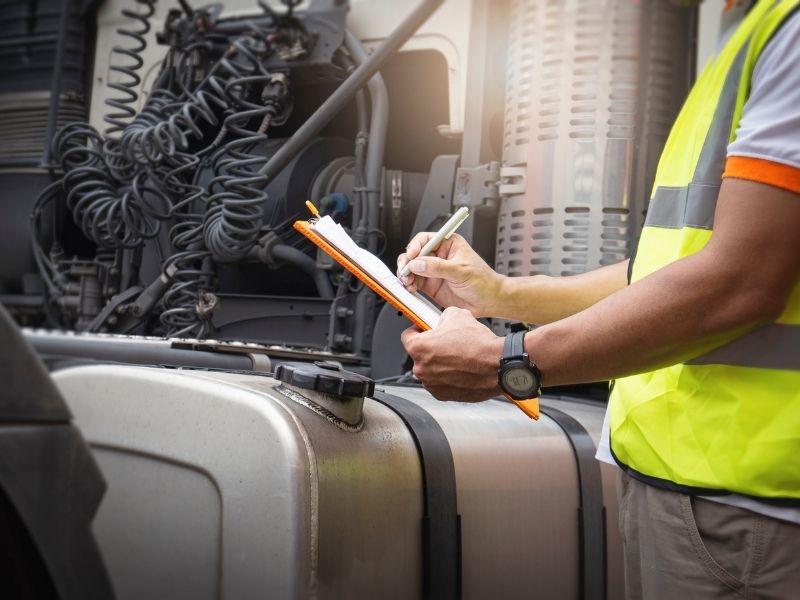
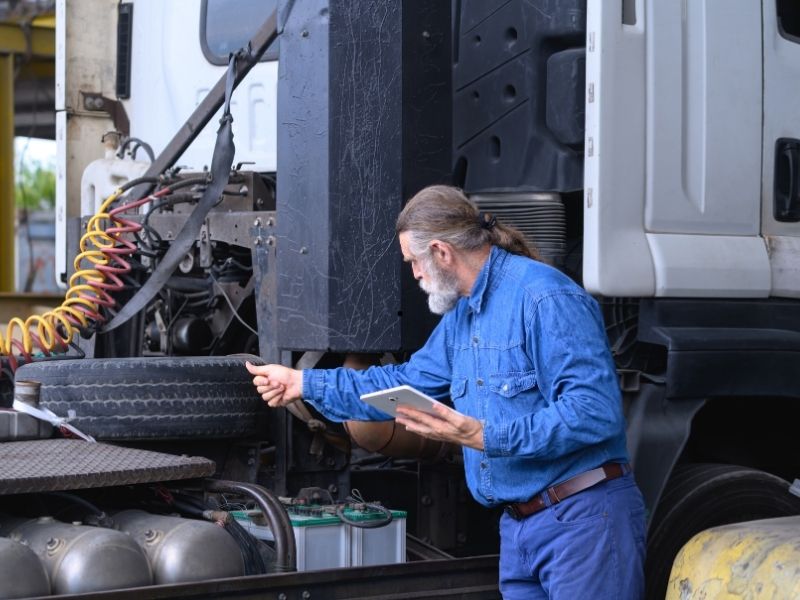
Also inspect all your radiator and heater hoses. If a cold snap strikes, rubber can become brittle, and you don’t want a hose failure on the side of the turnpike. If you see any cracking or swelling, or if the rubber is just showing signs of wear near the clamps, get a new hose. To have a hose burst is to ruin your engine in no time, and a long wait for help.
Need help with a pre-trip inspection? Call Shersuca. We come to you, 24/7.
Tire pressure is still your top priority
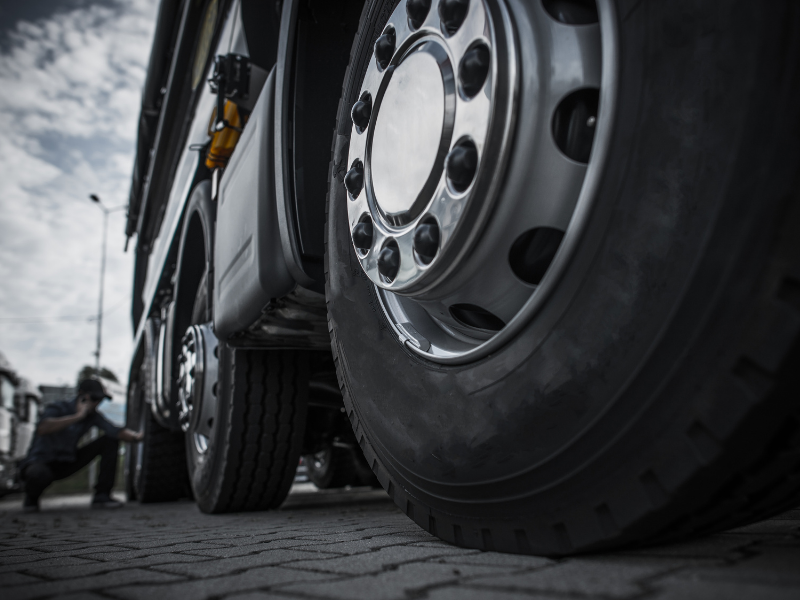
You may not be fighting black ice, but Florida roads can get slick and cold pavement affects your tire pressure. For every 10-degree drop in air temperature, your tire pressure decreases by about one PSI. Underinflated tires are a significant safety hazard, leading to poor handling, reduced fuel economy, and an increased risk of a blowout.
Make checking your Tire Pressure (PSI) a part of your daily pre-trip routine, not just a weekly chore. Make sure your tread depth is deep enough to handle the unforeseen heavy sudden downpours that Florida winters are notorious for. Good tread is your ONLY defense against hydroplaning on wet asphalt.
Electrical system check: the cold snap killer
The battery and starting system are the first things tested when the weather cools off. Even mild Florida cold snaps can reveal a weak battery or a worn-out starter motor that might have easily survived the heat of summer. Having a reliable starting system is crucial for keeping your truck productive.
Before winter officially hits, have a technician test your battery’s cold-cranking amps (CCA). Also, check the alternator belt for tension and cracks. Ensuring your connections are clean and secure can prevent many common no-start scenarios, saving you a roadside service call that should have been avoided.
You might like: Top benefits of 24/7 roadside assistance for truck drivers
Prepare for rain, not snow
Florida’s real winter hazard isn’t snow, it’s the torrential, blinding rain that can descend without warning. Good visibility is essential. If your wiper blades are leaving streaks, replace them immediately. They are very cheap and are vital for safety in heavy rain.
Make sure your defroster and cabin heat systems are functioning perfectly. A humid truck cabin and a sudden fall of air temperature results in instantaneous fogging—an intolerable danger. Test your defroster on “high” and “low” before it’s needed.
Keep your visibility clear (inside and out)
Beyond the windshield, your truck’s lights are your best friend in fog and heavy rain. Walk around your truck and confirm all headlamps, taillamps, brake lights, and marker lights are clean and functioning. Clean lenses project light better and ensure other drivers see you.
Inside the cab, a good anti-fog treatment for your side windows and mirrors can make a world of difference during humid mornings or when driving through wet areas. Investing in a small squeegee or microfiber cloth to keep condensation manageable is also a smart move.
We’re here for you any time. Call Shersuca for mobile truck repairs.
Emergency kit: always be ready (even in Florida)
No matter what, an emergency kit is a must, whether tire chains are a good idea where you operate or not. You’ll need some things for downtime at the roadside: layers of extra warm clothing (you’ll be sitting still), reflective warning triangles, basic hand tools, flares, and a bright flashlight battery pack with extra batteries.
It might not be a bad idea to pack a pound of dry sand or kitty litter; it’s to give your tires some traction if you pull off in the mud of a rain-softened shoulder.
Florida’s mild winter is all about anticipation: anticipating the cold snap, anticipating the rain, anticipating the strain on the core systems of your truck. A couple of hours maintenance now will mean days of additional revenue later. Be on the road safe, and remember that if the worst happens, you can always call a professional.
For more tips and info, follow us on Facebook and Instagram. Call us for truck and trailer mobile repair on shersucatruckrepair.com