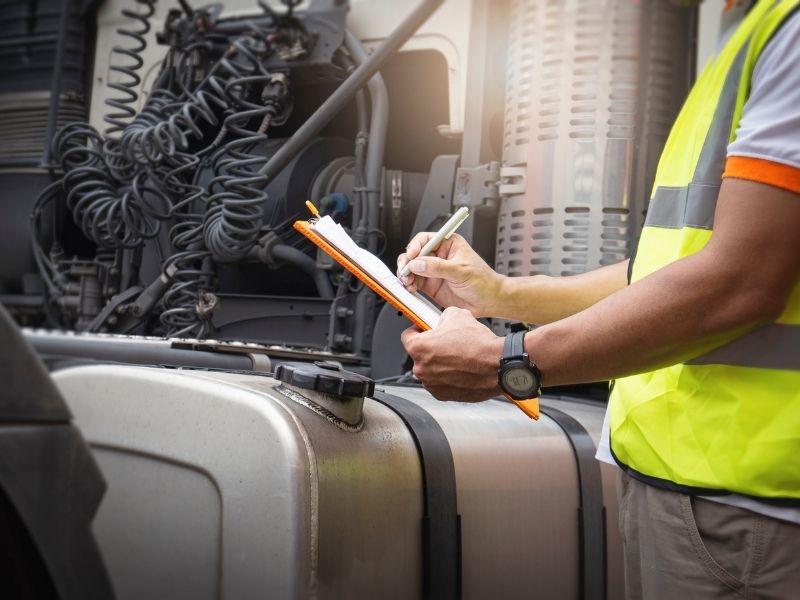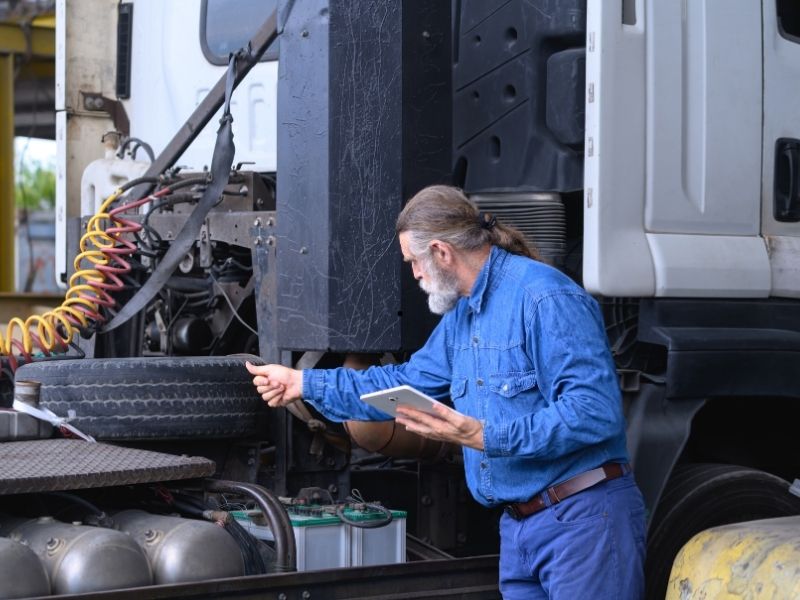
So there you are, out on the road, and suddenly your trusty truck starts acting up. Maybe the headlights are flickering or that familiar “click” when you turn the key isn’t bringing your engine to life. Before panic sets in and you whip out your phone to call for a tow, it’s worth taking a closer look. Most issues with starting and charging in trucks boil down to a couple of crucial components: the alternator and the starter. The big question? Should you opt for a quick fix, or is a full replacement the smartest move? Let’s chew over what the pros say—so you’re not left stranded or overspending.
Understanding the basics: what do starters and alternators do?
Let’s start with the basics. The starter is essentially the muscle behind the engine – when you engage the ignition, the starter spins the engine to allow it to start and run on its own. The alternator is a whole different animal. The alternator is the power supply that recharges the battery and powers the truck’s electrical systems while you’re driving. If either of these goes bad, you’ll know it pretty quickly (trucks don’t typically like to start (or run), lights aren’t bright, and in general the electronics will behave badly).
When your starter or alternator become aged and potentially worn out, it becomes less clear if you can nurse a few more miles with a little pep talk and a patch, or whether you’re better off installing a new starter or alternator. Listening for strange sounds on startup or sluggishness is a kind of early warning signs, though its also common for mechanics to insert basic diagnostics in some cases to determine if a repair (like replacing some worn brushes) is warranted.
Avoid downtime. Call Shersuca for fast and reliable truck repairs, 24/7.
To fix or replace: weighing your options
For many truck drivers, the temptation is always to go for the quick—and often cheaper—fix. Maybe it’s a busted solenoid on the starter or a loose alternator belt. Sometimes, these repairs are enough to get you back on track for months, or even years. Experts tend to agree: if you catch the problem early, and it’s something minor, a repair can definitely make sense both in time and cost.
However, trucks (especially the ones that haul heavy loads) put a lot os strain on their starters and alternators. So, if your truck’s clocking serious age or the faulty part has already failed previous times, maybe it’s time to go for a full replacement. Continual “band-aid” fixes may lead to breakdowns in the worst moments or wind up costing more in the long run. Your mechanic probably has tales of roadside rescues that could’ve been avoided with a new part.
You can also read: Top 4 mistakes truck drivers make that lead to costly repairs
Signs you shouldn’t ignore
One of the most reliable pieces of advice from pros is: listen to your truck. If you keep having to jump-start it, notice grinding noises, or spot your dashboard looking like a Christmas tree, these aren’t signals to shrug off. Frequent electrical issues, slow cranking, or burning smells are classic symptoms that a quick fix won’t solve. Continually replacing fuses or having to wiggle wires could also mean there’s a bigger issue brewing.
When it doubt, most mechanics will do a simple test: measuring voltage, checking the battery, and looking for worn wires. If there’s more damage than a single component, replacing the alternator or starter is usually recommended. Odds are, your peace of mind (and your truck) will thank you later.
Pro tips for getting the most out of repairs and replacements
Whichever route you take—quick fix or full swap—ask about warranties, refurbished options, and quality of replacement parts. Not all alternators and starters are created equal; higher-quality parts may cost a bit more upfront but typically last longer, saving you trouble down the road.
And finally, don’t put off regular maintenance. Keeping the battery terminals clean, tightening connections, and looking for early wear can extend the lifespan of both starters and alternators. Catching issues early isn’t always exciting, but it’s a heck of a lot better than discovering them on the shoulder of a busy highway. Trust your gut, know what your truck is telling you, and keep on rolling!
For more tips and info, follow us on Facebook and Instagram. Call us for truck and trailer mobile repair on shersucatruckrepair.com