As a truck driver, you know that a fully functioning air brake system is non-negotiable for a safe trip. But what happens when you’re rolling down the highway and a bright red dashboard warning light disrupts your peace of mind?
No one likes that kind of surprise, but knowing how to handle it makes all the difference.
In this post, we’ll uncover the critical issues behind that warning light, share simple troubleshooting tips to diagnose air brake problems, and explain how mobile truck repair services can save your schedule—and your safety—when you’re stranded on the road.
Understanding your truck’s red warning light
When that red light is flashing at you, it’s your truck’s way of indicating that it needs attention. In most cases, it means your air pressure is below a safe level. If you disregard it, that can be a very dangerous thing to do as it may result in a complete brake failure.
First things first, find a safe place to pull over, as this is not something you want to try and fix while going down an incline! In some cases, it can be a simple explanation. Air leaking in the lines, bad air compressors, or a faulty pressure switch can create the pressure loss. Listen for the air hissing sound, or look for oil or debris around the air brake hoses and connectors.
If you have an air gauge, once it drops below 60 psi (pounds per square inch), the light will usually come on. Do not attempt to press through; listen to your gut & trust your safety training.
Call the pros. We’re available 24/7.
Tackling quick troubleshooting steps
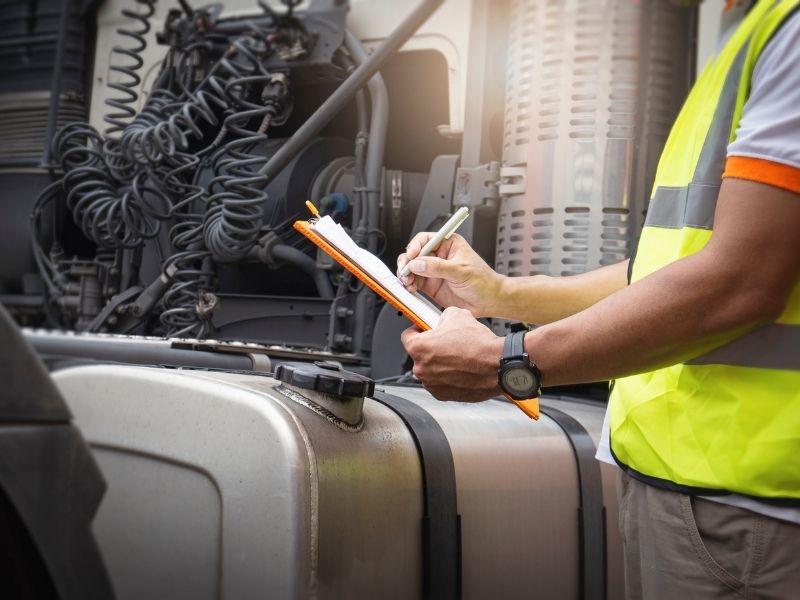
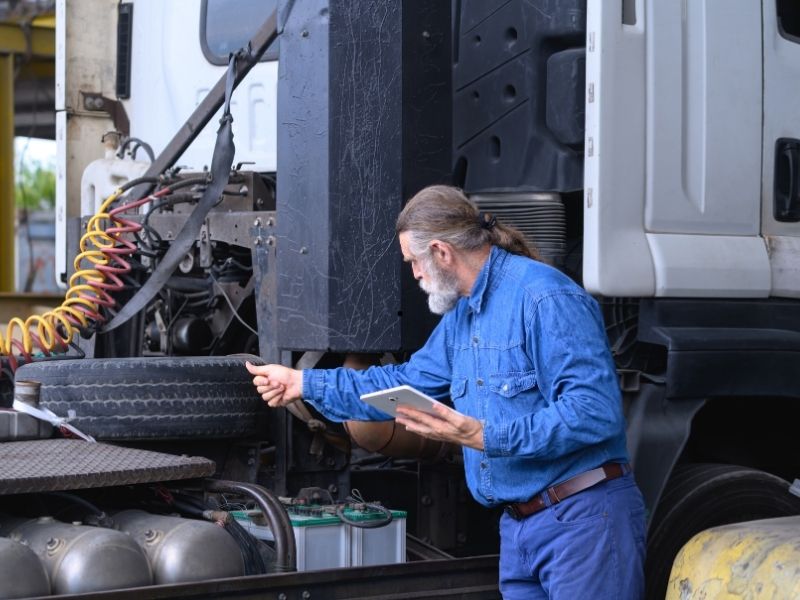
Once you’re safely parked, pop the hood and do a visual once-over. Look for chafed, cracked, or overly worn hoses. Use your ears, too—a continuous hiss might mean you’ve got a major leak. Sometimes, tightening a loose connector or replacing an O-ring can work wonders.
However, not all problems are obvious. Moisture in the air lines (especially during wet or freezing weather) can cause valves to stick, leading your warning light to glow. Bleeding your air tanks and checking for condensation can help. If the compressor isn’t kicking in at all, you could be looking at an electrical problem—fuses, broken wires, or damaged relays might be messing things up.
You might be interested in: How to reduce downtime in your trucking business
When to call in mobile truck repairs
What if you’ve already gone through the troubleshooting basics and you’re still stuck? That’s where mobile truck repair teams come in. By bringing the shop directly to your breakdown location, they minimize downtime, reduce logistical headaches, and protect your freight from unnecessary risks.
Why take on the massive expense of a tow—which can easily cost an order of magnitude more—if your rig can be fixed right on the shoulder or at a safe pull-off?
Equipped with specialized service trucks, these technicians travel with everything from fittings, hoses, and tanks to compressors and advanced diagnostic tools. They can pinpoint hard-to-find leaks, replace faulty tank valves, or run complex electrical diagnostics right in the field. Ultimately, this roadside support gets you back on the road safely, helping you recover valuable hours of service.
You can also read: Top benefits of 24/7 roadside assistance for truck drivers
Keeping your rig in top shape
Let’s face it—prevention is way better than an emergency repair. Regularly inspect your brake system before and after hauls. Make checking air pressure, hoses, and tanks part of your pre-trip ritual. Catching wear or leaks early means you’ll spend less time on the shoulder and more miles ahead.
Remember: ignore the red light and you risk more than a ticket. With a little know-how, a solid inspection routine, and the right mobile repair number on speed dial, you’ll keep your rig safe, your schedule on track, and your stress level firmly in the green.
For more tips and info, follow us on Facebook and Instagram. Call us for truck and trailer mobile repair on shersucatruckrepair.com