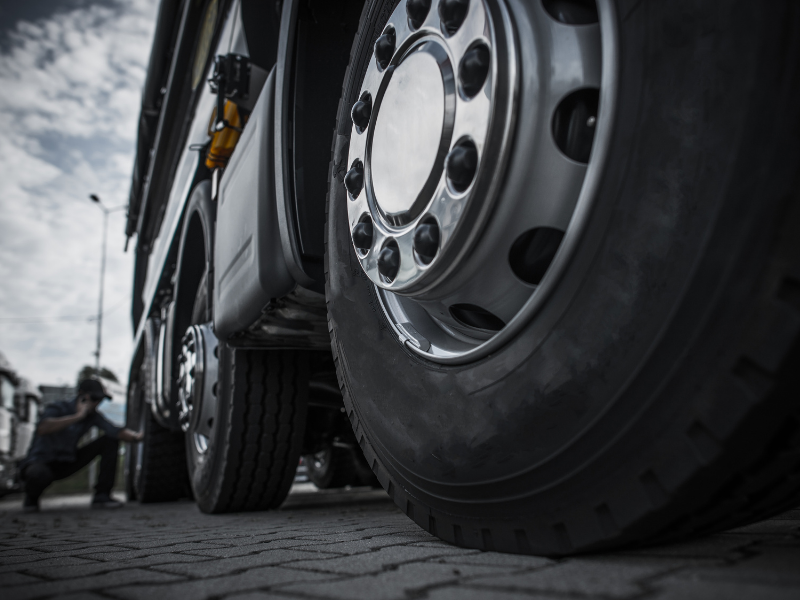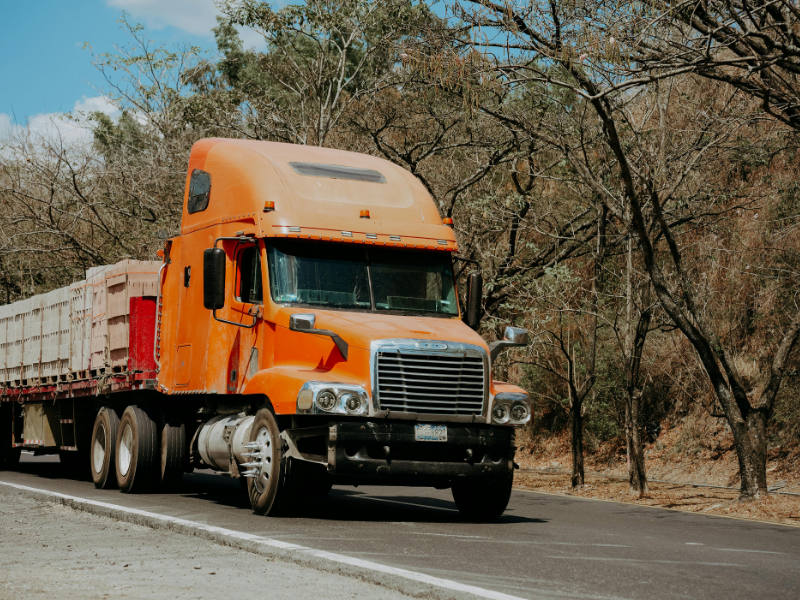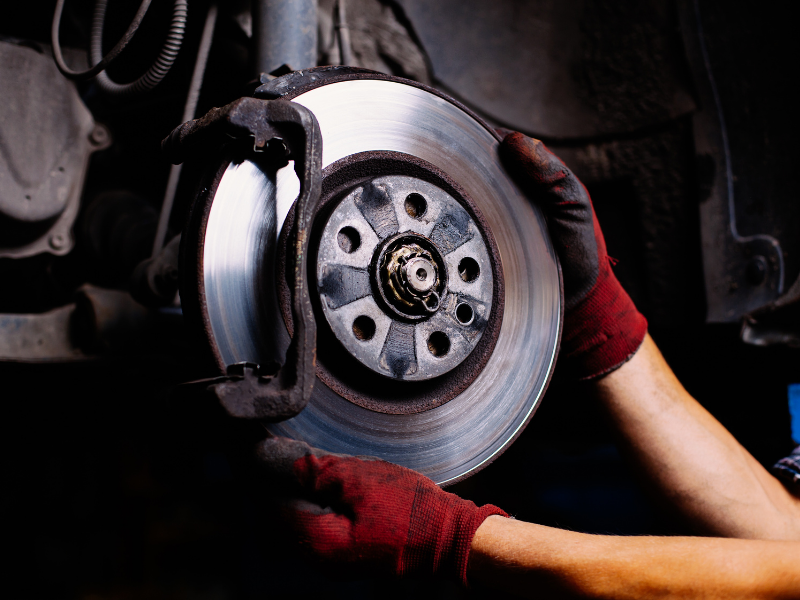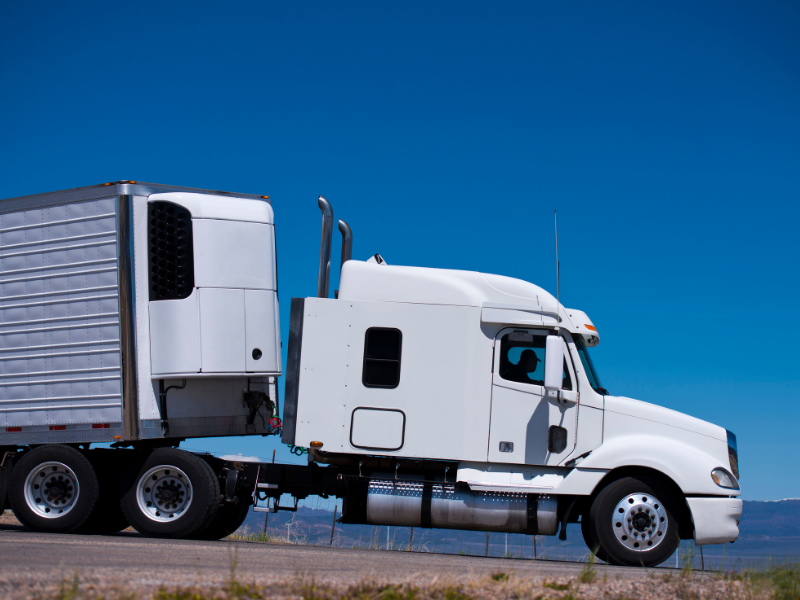
Checking your rubber during pre-trip inspections isn’t just about avoiding a DOT fine; it is about catching early signs of mechanical problems before they destroy your rubber. Unusual pattern damage or localized rubber loss is a clear sign of semi truck tire wear that points directly to alignment faults, air pressure issues, or failing suspension parts. Tires are one of the biggest recurring operational expenses for fleet managers and owner-operators, and throwing away a tire with half its tread left because of uneven wear drains your profits fast.
Understanding why your tread is wearing down unevenly helps you fix the root mechanical issue before you ruin a fresh set of steer or drive tires. Here is a practical breakdown of what causes uneven tread wear on commercial trucks and how to fix it.
Wheel and axle misalignment
When your wheels aren’t rolling completely straight down the road, your tires scrub against the asphalt instead of rolling smoothly over it. Alignment issues are the single most common cause of premature tire destruction.
Steer axle misalignment and toe-in issues
If your steer axle toe settings are off, the tires are either pointing slightly inward (toe-in) or outward (toe-out). This creates a dragging motion across the tread surface. Toe-in causes feathering across the tread blocks from the inside edge to the outside edge, while toe-out drags the tire from the outside in. If you run your hand across the tread and feel sharp edges in one direction, your toe alignment needs immediate shop adjustment.
Tandem axle misalignment and “dog-tracking”
Trailer and drive axle misalignment forces the entire rig to travel down the highway at a slight angle, commonly known as “dog-tracking.” When tandem axles aren’t parallel to the frame centerline, the tires on one side constantly fight the road, creating heavy diagonal wear patches across drive and trailer tires.
Improper inflation pressure
Air pressure supports the heavy loads you haul. Running tires with incorrect pressure changes the footprint where rubber meets the road, causing predictable patterns of semi truck tire wear.
Under-inflation and shoulder wear
When a tire runs low on air, the center of the tread caves inward slightly, shifting the truck’s weight to the outer shoulders. This causes rapid shoulder wear on both sides of the tire while leaving the center tread deep. Under-inflation also causes internal sidewall flexing, which builds up extreme heat that can lead to a sudden high-speed blowout on the highway.
Over-inflation and center wear
Putting too much air into a tire causes the casing to balloon outward. The center of the tread contacts the pavement with maximum pressure while the outer shoulders barely touch. This wears down a deep strip right through the middle of your tire, reducing wet traction and leaving plenty of unused rubber on the edges when the tire has to be pulled off the wheel.
Noticed severe tread damage or a blown tire in Central Florida? Don’t risk driving on damaged rubber or struggling with a roadside tire swap. Check our Central Florida service locations and call Shersuca for 24/7 mobile commercial tire service.
Worn suspension components and mechanical play
Your suspension system keeps your tires firmly pressed against the road surface. When bushings, shocks, or bearings wear out, the tire begins to bounce, wobble, or drag.
Bad shock absorbers and cupping
Shock absorbers dampen the continuous bounce of heavy truck springs. When a shock leaks fluid or loses resistance, the tire literally hops down the highway at high speed. Every time the tire slams back onto the asphalt, it scoops out a small chunk of rubber. This leaves a repeating pattern of dips and high spots around the circumference known as “cupping” or “scalloping.”
Loose kingpins and wheel bearings
Worn kingpins, tie-rod ends, or loose wheel bearings allow the entire wheel assembly to tilt or wobble while rolling. This mechanical play causes camber wear, where only the inner or outer edge of the steer tire wears down to the steel belts while the rest of the tread looks almost brand new.
Mismatched dual tires and rim issues
Drive and trailer axles rely on dual tire configurations to spread heavy payload weight evenly. However, running mismatched duals forces one tire to carry far more weight than its mate.
Diameter differences in dual assemblies
If you mount a new tire right next to a worn tire, the new tire has a larger overall circumference. The larger tire carries almost all the weight on that corner, while the smaller tire gets dragged along the pavement, causing rapid, uneven semi truck tire wear across both casings. Always ensure dual tires match within 1/4-inch diameter of each other.
Bent rims and improper torque
A bent rim or a wheel mounted improperly on the hub causes the tire to run with a slight wobble (runout). This uneven rotation causes flat spots and diagonal wipe patterns across the tread face.
Looking for complete fleet upkeep beyond tire service? Check out our full suite of mobile diesel mechanic services to keep your steering, suspension, and brakes working properly year-round.
How mobile tire service protects your fleet investment
When you spot abnormal wear patterns on the road, waiting until you return to your home terminal usually means losing the casing completely. Catching wheel alignment issues, worn shocks, or air pressure drops early saves your tire casings so they can be recapped or kept in service for thousands of additional miles.
Having a mobile service inspect your wheel assemblies, swap damaged tires, and correct inflation pressures right on the spot prevents unexpected blowouts that cause body damage, ruined rims, and missed delivery windows.
Get fast 24/7 mobile tire service in Orlando with Shersuca
Uneven tread wear isn’t just a cosmetic issue; it is a clear warning sign that your truck or trailer needs mechanical attention. Addressing the root cause quickly keeps your rig safe, improves fuel economy, and protects your operational budget.
At Shersuca, our mobile repair units carry heavy-duty tire changing equipment, balancers, diagnostic gear, and replacement tires straight to your truck. Whether you are parked at a distribution hub, weigh station, or rest area around Orlando and up to 100 miles across Central Florida, we handle your tire and mechanical emergencies 24 hours a day, 7 days a week. Call us!
For more tips and info, follow us on Facebook and Instagram. Call us for truck and trailer mobile repair on shersucatruckrepair.com