A spike on your temperature gauge is more than a hassle; it is a $15,000 engine overhaul waiting to happen if you push it a mile too far. Heavy-duty diesels build massive thermal energy, and Florida’s climate leaves zero room for error when a hose splits or a water pump fails. Knowing how to handle a boiling rig on the shoulder—and when to get professional diesel engine overheating repair—is the difference between a quick coolant fix and a completely destroyed block.
Ignoring an overheating engine for even a few miles can turn a simple cooling issue into cracked cylinder heads, warped engine blocks, or blown head gaskets. Knowing why your rig is running hot and taking the right steps on the shoulder of the road can save your engine and keep your repair costs low.
Primary causes of diesel engine overheating
Diesel engines generate a tremendous amount of heat during normal operation and rely on a fully functional cooling system to keep temperatures stable. Here are the most common reasons why that system breaks down on the road:
- Low coolant levels or leaks: Constant vibration from highway driving can crack radiator hoses, loosen clamps, or puncture the radiator core. A small leak quickly drains the coolant your engine needs to absorb heat.
- Stuck thermostat: The thermostat regulates coolant flow between the engine block and the radiator. If it gets stuck closed, coolant cannot reach the radiator to cool down, causing engine temperatures to spike instantly.
- Clogged radiators and debris: Bugs, dirt, and road debris clog the exterior fins of the radiator, blocking airflow. Internally, rust or scale buildup can restrict coolant flow through the core.
- Faulty fan clutch or water pump: A broken fan clutch prevents the cooling fan from pulling enough air through the radiator at low speeds or under heavy loads. If the water pump impeller fails or its drive belt snaps, coolant stops circulating entirely.
- Extreme heat and heavy payloads: Florida summer weather combined with max-weight loads forces your engine to work twice as hard. If any component in your cooling system is slightly worn, high ambient heat will push it over the limit.
Don’t let a diesel engine overheating ruin your trip. Call Shersuca for 24/7 roadside truck repairs.
Roadside steps to take when your diesel engine runs hot
If your temperature gauge starts climbing rapidly while you are driving, stay calm and take these practical steps right away:
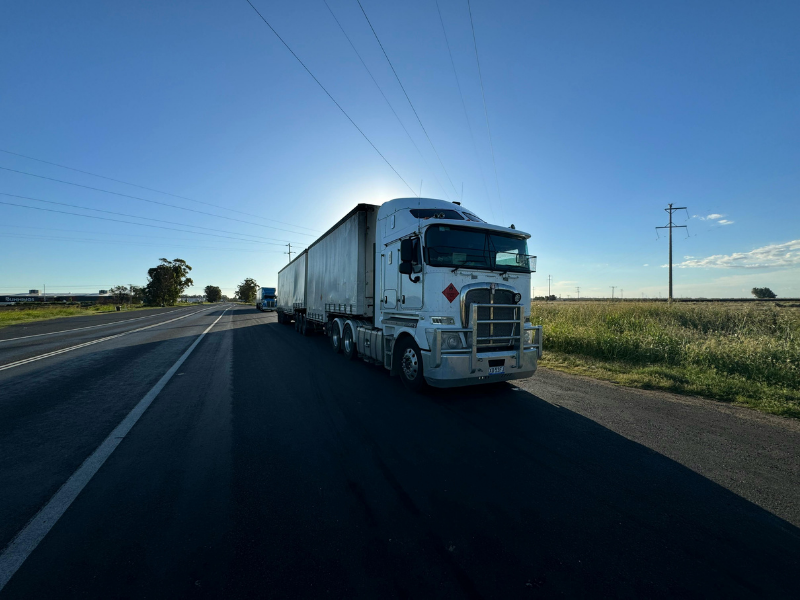
- Pull over safely: Turn on your hazard lights and find a safe spot on the shoulder, rest area, or weigh station as soon as possible.
- Turn off the A/C and turn on the heater: It sounds uncomfortable in Florida heat, but turning your cab heater to maximum heat and high fan pulls excess heat directly away from the engine block.
- Let the engine idle (if coolant is present): If you still have coolant in the system and liquid isn’t pouring under the truck, let the engine idle for a few minutes. Shutting off a boiling engine immediately stops coolant circulation and traps heat inside the block. However, if you see green or red coolant gushing out under the rig, shut the engine off right away.
- Never open a hot radiator cap: Boiling coolant is under extreme pressure. Opening the cap on a hot engine can cause severe steam burns and dangerous liquid sprays. Wait until the engine cools down completely before checking levels.
- Inspect belts and look for leaks: Pop the hood and inspect the engine bay visually. Check for loose or snapped serpentine belts, split hoses, or coolant dripping beneath the truck.
Don’t risk melting your engine block or cylinder heads on the road. Check our Central Florida service locations and call Shersuca for fast 24/7 mobile diesel repair dispatched straight to your spot.
Why you should never limp a hot diesel to a taller or shop
It is tempting to try and push a hot rig a few extra miles to reach the next truck stop or shop. However, diesel engines operate under immense cylinder pressure, and severe heat breaks down engine oil rapidly. Without proper lubrication and cooling, metal internal parts expand and rub together, leading to catastrophic engine failure.
Calling for roadside assistance might feel like an unexpected delay, but mobile mechanics carry diagnostic gear, pressure testers, extra coolant, belts, and hoses to resolve most cooling issues right where you are parked. On-site repair saves you thousands of dollars compared to a full engine rebuild.
You can also read: How to create a preventive maintenance schedule for your fleet
Simple preventive maintenance checklist for cooling systems
Preventing engine overheating is always cheaper than repairing thermal engine damage. Fleet managers and owner-operators should keep up with these straightforward checks during regular maintenance:
- Inspect hoses and clamps: Squeeze radiator hoses during pre-trip inspections. Soft, squishy, or overly brittle hoses need to be replaced right away.
- Flush coolant regularly: Coolant protective additives break down over time, leading to internal rust and corrosion. Flush and replace coolant according to your engine manufacturer’s recommended operating hours.
- Keep radiator fins clean: Pressure-wash bug splatter, road grime, and dirt off the front of your radiator and intercooler regularly to maintain airflow.
- Check belts and tensioners: Ensure drive belts show no cracks or fraying, and verify that tensioners maintain proper pressure.
Looking for complete fleet upkeep beyond cooling systems? Check out our full line of mobile diesel mechanic services to keep your trucks running smooth year-round.
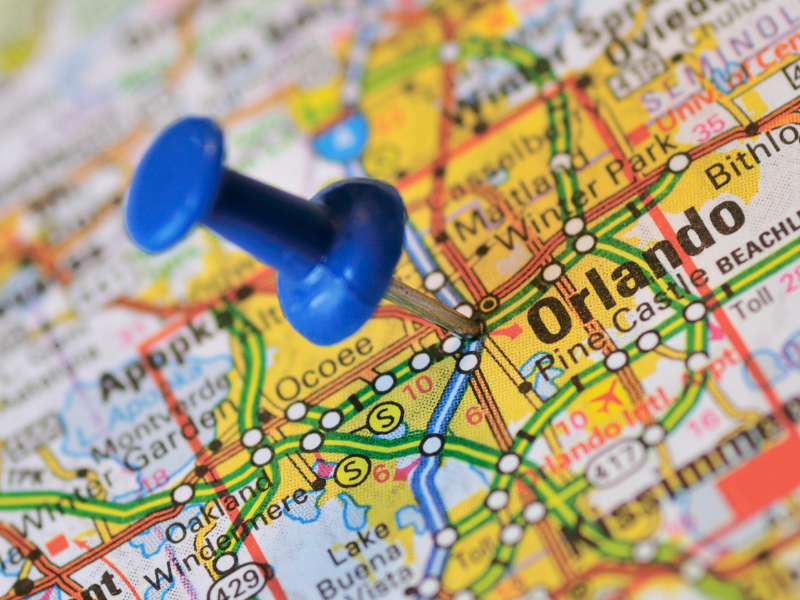
Get fast roadside support for overheating diesel engines in Orlando
A sudden spike in engine temperature does not have to ruin your schedule or destroy your engine. Quick action and trained mobile technicians can get your rig cooled down and back on the road safely.
At Shersuca, our mobile mechanics provide 24/7 emergency roadside help for heavy-duty trucks, RVs, and commercial fleets throughout Orlando and up to a 100-mile radius. We come straight to your location on I-4, I-95, or local highways with the right tools and parts to fix your cooling system on the spot.
For more tips and info, follow us on Facebook and Instagram. Call us for truck and trailer mobile repair on shersucatruckrepair.com