Many truck breakdowns don’t happen because of a major mechanical failure. They happen because small issues go unnoticed for too long. That’s why one of the most common questions among owner-operators and fleet managers is: How often does a truck need to be serviced?
The answer depends on several factors, including the truck’s age, mileage, operating conditions, and how it’s used. However, one thing is certain: regular maintenance is far less expensive than unexpected downtime.
A well-maintained truck lasts longer, performs better, and is less likely to leave you stranded on the side of the road. Understanding when your truck should be serviced can help you reduce repair costs, improve reliability, and keep your business moving.
How many miles can a truck go before needing service?
One of the most searched questions related to truck maintenance is how many miles a truck can travel before service is required.
There is no universal number because different components have different service intervals. However, many heavy-duty trucks require inspections, fluid checks, and preventive maintenance every 10,000 to 25,000 miles, depending on the manufacturer’s recommendations and operating conditions.
Trucks that regularly haul heavy loads, drive in stop-and-go traffic, or operate in extreme temperatures often require more frequent service than trucks running consistent highway routes.
Rather than relying solely on mileage, many experienced operators monitor both mileage and vehicle condition. Waiting until something breaks is rarely the most cost-effective strategy.
What maintenance should be done regularly on a truck?
Routine truck maintenance involves much more than changing the oil.
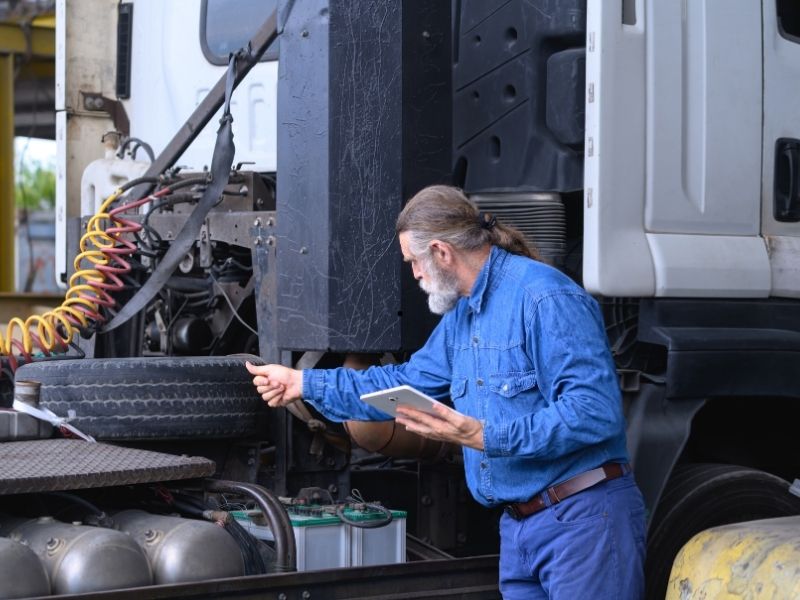
A comprehensive service schedule typically includes inspections of the engine, brakes, tires, suspension, battery, cooling system, belts, hoses, and electrical components. Fluids such as engine oil, coolant, transmission fluid, and differential fluid should also be checked regularly.
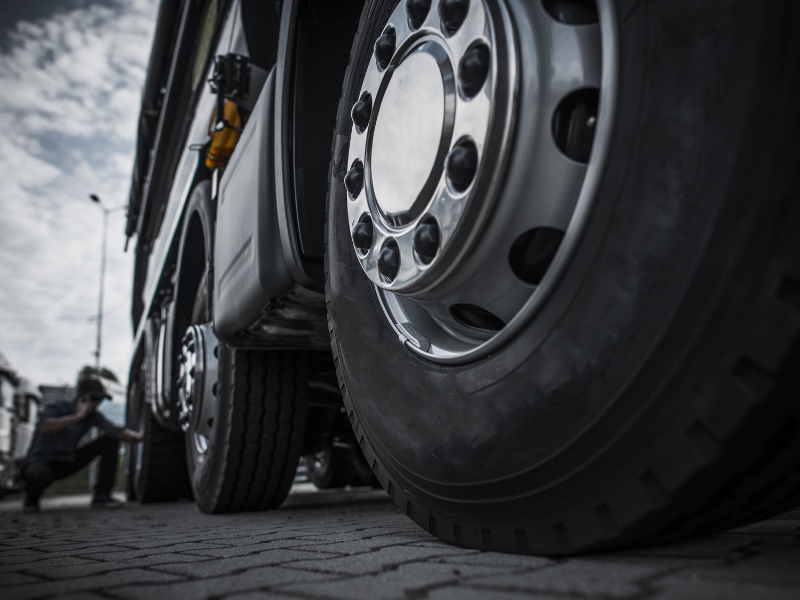
Tires deserve particular attention because they directly affect safety, fuel efficiency, and operating costs. Uneven wear, improper inflation, or damage can increase the risk of roadside breakdowns and expensive delays.
Regular inspections help identify small problems before they become major repairs, which is one of the primary reasons preventive maintenance is so valuable.
Keep your fleet up and running with Shersuca. Call us to schedule your preventive maintenance.
How often should truck oil be changed?
Oil changes remain one of the most important maintenance services for any truck.
The exact interval depends on engine type, oil quality, driving conditions, and manufacturer recommendations. While some heavy-duty diesel engines can operate for tens of thousands of miles between oil changes, others may require more frequent service depending on workload and operating environment.
Drivers who frequently haul heavy loads or operate in demanding conditions often benefit from shorter oil change intervals. Clean oil helps reduce engine wear, improve performance, and extend engine life.
Ignoring oil maintenance can lead to overheating, reduced efficiency, and costly engine damage over time.
How often should truck brakes be inspected?
Brake inspections should be a routine part of every maintenance schedule.
Unlike some components that fail gradually, brake problems can become serious safety issues very quickly. Regular inspections help identify worn brake pads, damaged components, air system issues, and other concerns before they compromise stopping performance.
Many drivers have their brakes checked during scheduled maintenance visits, but additional inspections may be necessary for trucks operating in mountainous areas, heavy traffic, or demanding hauling conditions.
Maintaining healthy brakes protects not only the vehicle but also the driver, cargo, and everyone sharing the road.
See our services and learn how we can help you keep your truck functioning.
How often should truck tires be checked?
Truck tires should be inspected far more frequently than many drivers realize.
Ideally, tire condition and inflation levels should be checked before every trip. Tire-related issues are among the leading causes of roadside service calls and can often be prevented through simple inspections.
Low tire pressure, uneven tread wear, punctures, and sidewall damage may seem minor initially, but they can quickly lead to blowouts, reduced fuel efficiency, and costly downtime.
Regular tire inspections improve safety, extend tire life, and help avoid unexpected interruptions during deliveries.
What factors affect truck maintenance intervals?
Not all trucks follow the same maintenance schedule.
Several factors influence how often a truck should be serviced, including mileage, load weight, driving habits, climate, road conditions, and vehicle age. A truck that operates primarily on highways may experience less wear than one frequently navigating urban traffic or construction zones.
Environmental conditions also matter. Heat, humidity, dust, and frequent stop-and-go driving can accelerate wear on critical systems and increase maintenance requirements.
Because of these variables, the best service schedule is often one tailored to the truck’s actual operating conditions rather than relying on generic intervals alone.
What happens if truck maintenance is delayed?
Delaying maintenance may seem like a way to save time or money, but it often creates the opposite result.
Small issues that could have been resolved during a routine service visit can develop into major mechanical failures. A worn belt, low fluid level, weak battery, or damaged hose may not seem urgent until it causes a breakdown.
Unexpected downtime is usually far more expensive than preventive maintenance. Beyond repair costs, there are potential delivery delays, lost revenue, scheduling disruptions, and damage to customer relationships.
Regular servicing helps reduce these risks and provides greater confidence on the road.
Is preventive maintenance really worth it?
Many trucking professionals view preventive maintenance as an expense, but it’s more accurate to think of it as an investment.
Consistent maintenance helps extend vehicle life, improve fuel efficiency, reduce emergency repairs, and minimize downtime. It also allows drivers and fleet managers to plan maintenance activities instead of reacting to unexpected failures.
Over time, preventive maintenance often lowers overall operating costs because problems are identified and addressed before they become expensive repairs.
For businesses that depend on reliable transportation, that predictability can be a major advantage.
Avoid breakdowns and expensive downtime. Call us for preventive maintenance.
The best maintenance schedule is the one you follow
The question isn’t just how often a truck needs to be serviced—it’s whether that service is being performed consistently.
Every truck has unique maintenance needs, but the goal remains the same: keep the vehicle safe, reliable, and productive. Following recommended service intervals, conducting regular inspections, and addressing issues early can dramatically reduce the likelihood of costly breakdowns.
In the trucking industry, reliability drives profitability. The more proactive you are with maintenance, the better positioned you’ll be to keep your truck on the road and your business running smoothly.
For more tips and info, follow us on Facebook and Instagram. Call us for truck and trailer mobile repair on shersucatruckrepair.com