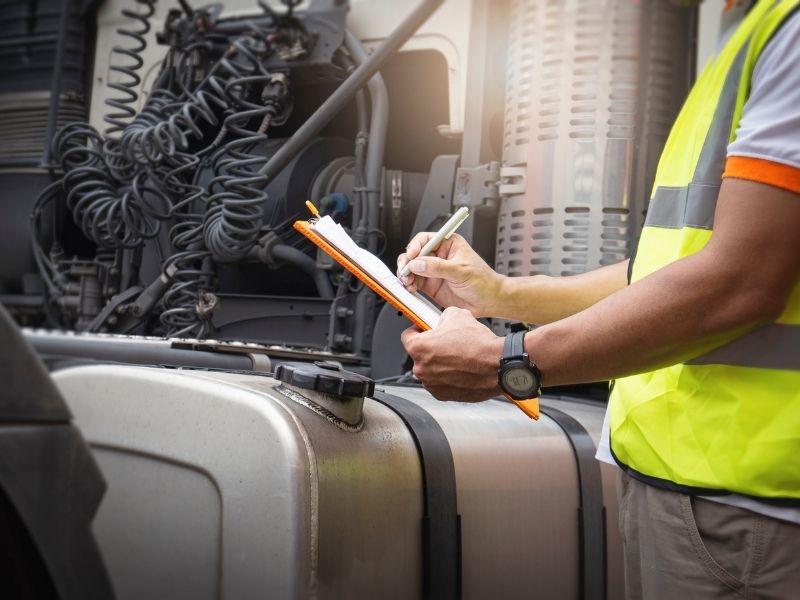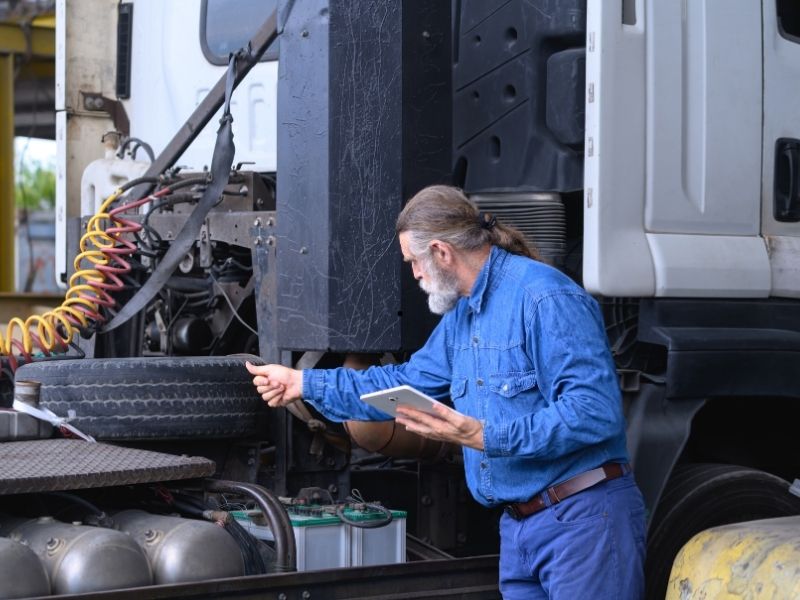
A breakdown on the blacktop is highly stressful, and every minute off the road directly chips away at your earnings. For many common issues, calling a mobile repair service delivers a faster fix and lower overall costs than waiting for an open shop bay.
While traditional shops are still essential for heavy-duty, overhaul jobs, a smart operational game plan uses mobile repair as your first line of defense whenever it’s safe and practical—saving the shop for when heavy, specialized equipment is absolutely required.
Skip the tow, keep earning
Tows are expensive and disruptive. When a truck can be repaired where it sits—at a customer’s dock, a yard, or a safe shoulder—those hook fees vanish and the schedule stays intact. Even short tows stack up in cost and time, followed by another wait in line at the shop. Mobile technicians bring the solution to the truck, keeping loads moving and commitments on track.
Mobile crews also compress the gap between problem and solution. With portable diagnostics, common parts, and field experience, they triage quickly and start turning wrenches sooner. Less waiting equals more billable miles and fewer headaches for dispatch and customers.
Call Shersuca for 24/7 mobile repairs!
Downtime: The invisible budget killer
When a shop runs an idle hour, it is more expensive than the total of multiple invoices. This means every hour of standing by at a shop creates a financial impact as a result of three things:
- The inability of the shop to complete the job due to the need for repair parts
- The inability of the shop’s technician to complete repairs because they have to wait for another technician
- The inability of a technician to return to a repair site once repairs are complete as a result of scheduled trucks needing to be at the same repair location
Mobile repair eliminates these issues. Unscheduled breakdowns lead to delayed deliveries and often result in lengthy service and repair times. Mobile repair minimizes the delay between breakdown and repair. This has a positive effect on a company’s ability to maintain timely delivery and maintain customer loyalty. Quick field scoring reduces the likelihood of experiencing a long-term service and repair period like most small, repeated breakdowns do.
You might like: How to handle emergency breakdowns like a pro: Tips for truck drivers
Transparent pricing and lean overhead
Brick-and-mortar shops carry heavy overhead: buildings, bays, and front-office staff. Mobile providers often run lighter, and that can show up as a friendlier hourly rate. Many also offer flat-rate pricing for common jobs, so the bill is easier to predict before any bolts are loosened.
Another plus is control. Most mobile techs start with a diagnostic check, share findings, and get approval before moving forward. Breaking work into stages keeps the plan aligned with the budget, avoids surprise add-ons, and ensures the fix stays right-sized for the road.
What fits mobile, what needs a shop
There are many kinds of repairs a driver can get from a mobile service, including but not limited to: batteries, alternators, air leaks, belts and hoses, brake chambers, lights, tires, and simple electrical problems. Using mobile diagnostics enables a driver to determine if the repair will take place on the road or if the truck needs to go to a physical shop.
Heavy lifting, such as working on the driveline or frames will require a shop due to the extensive equipment used. Decision trees, commonly used by fleets, help drivers to know what type of service to call for mobile service and when to schedule the tow to the shop.
We recommend that you see: Semi truck broke down on I-4? What to do right now
Parts access, warranty, and documentation
A common concern among drivers is parts availability. Fortunately, most mobile technicians carry a well-stocked inventory of fast-moving items and maintain close relationships with local suppliers for quick, same-day pickup. To ensure total peace of mind, always ask about part quality and warranty coverage—reputable roadside providers stand behind their work just like any traditional shop.
To speed up the process, keep your vehicle details handy, including the VIN, engine model, component brands, and recent service history. Providing this data upfront helps the technician bring the exact components needed, preventing unnecessary second trips. Finally, make it a habit to hold onto any replaced parts; it is essential for supporting future warranty claims and keeping your maintenance records accurate.
You can also read: The red light warning: troubleshooting common air brake system faults
Safety and compliance
DOT compliance doesn’t pause for breakdowns. Mobile services can tackle pre-trip snags and post-trip punch lists right where the truck is parked, often with ELD-friendly receipts that can be forwarded to dispatch immediately. A clean paper trail saves headaches if questions pop up later.
Bottom line: mobile repair won’t replace every shop visit, but it is a powerful tool for keeping trucks rolling. By trimming tow costs, slashing downtime, offering transparent pricing, and meeting drivers where they are, mobile service delivers a clear cost advantage when the unexpected happens.
For more tips and info, follow us on Facebook and Instagram. Call us for truck and trailer mobile repair on shersucatruckrepair.com